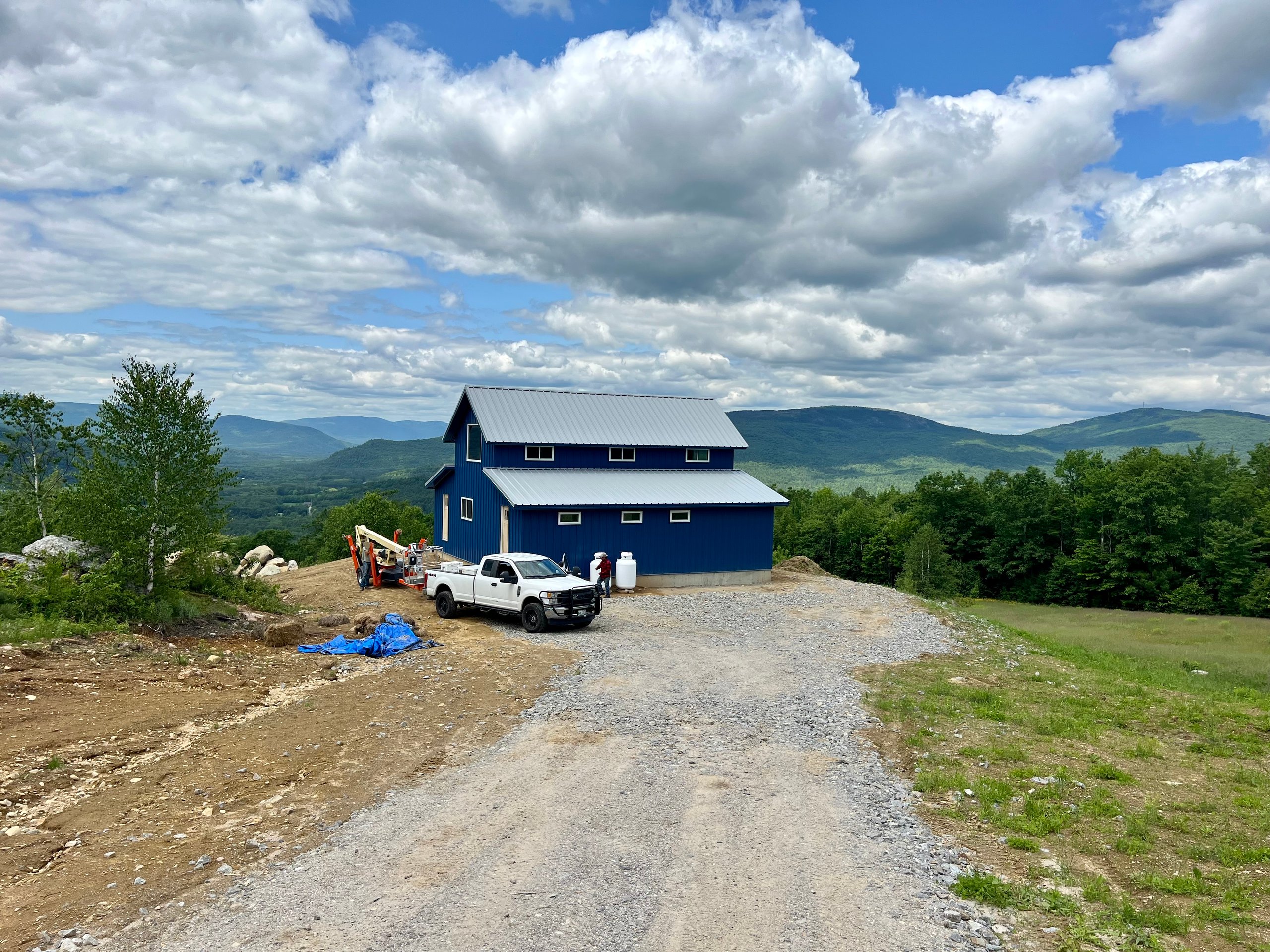
Steel vs Wood Framing: Which Lasts Longer in Maine?
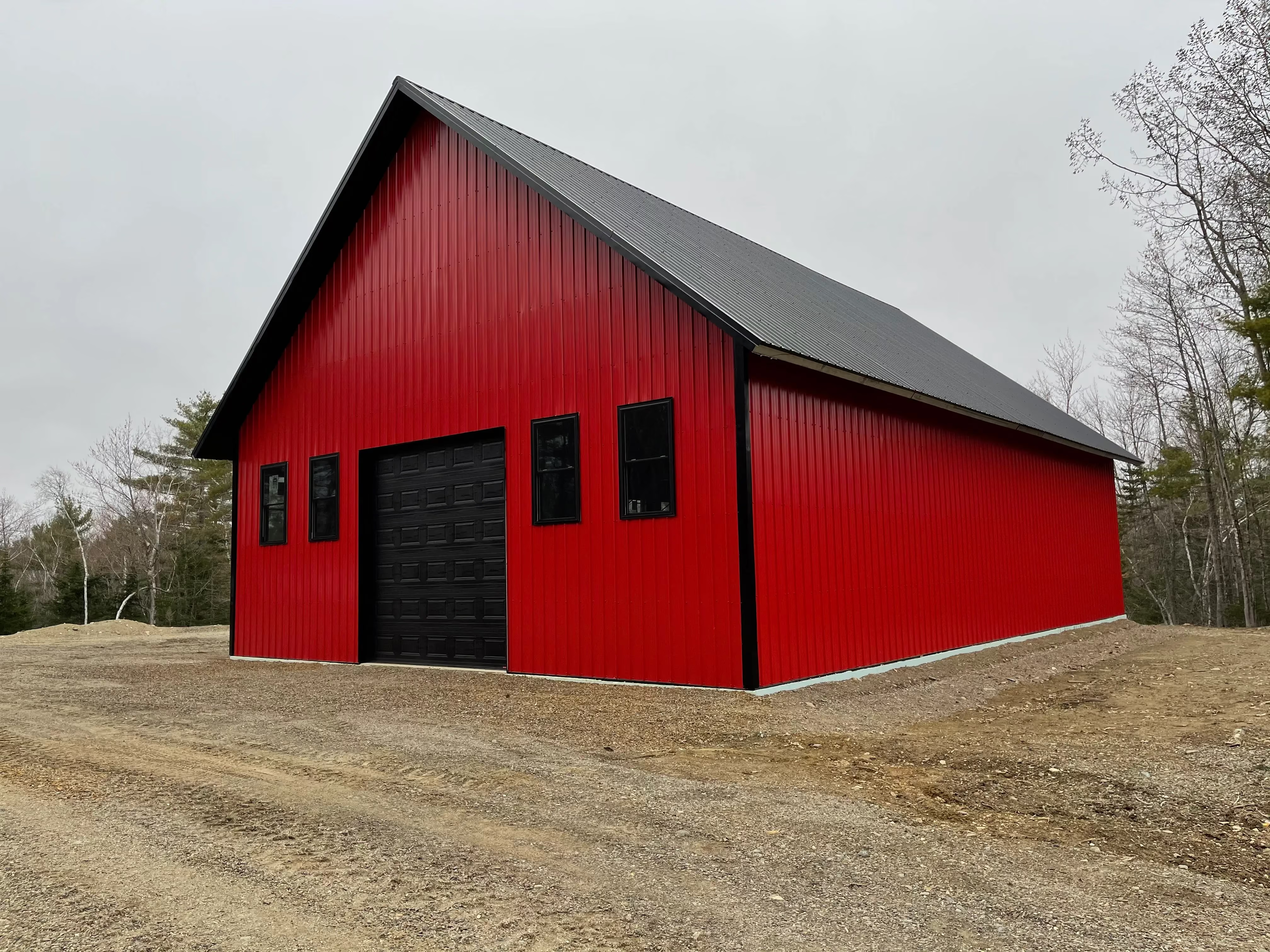
Steel vs Wood Framing in Maine
Both steel and wood can frame a solid building, and both have a long track record in Maine. The real difference shows up over time, in how each material stands up to snow, moisture, pests, and decades of hard use. If you are deciding between the two, it helps to look past the first cost and think about the full life of the building.
This is a narrower question than the broader metal buildings vs traditional construction comparison. Here the focus is the frame itself.
How Wood Framing Holds Up
Wood framing is familiar, widely available, and works well when it is maintained. The catch is that it needs that maintenance. Over the years, wood can rot, warp, and shift, and Maine's freeze and thaw cycles speed that up. Moisture is the main enemy, followed by insects and other pests that treat wood as a food source. Wood also adds fuel in a fire.
None of this means wood is a poor choice. For smaller structures and certain architectural styles, it remains a strong option. It just comes with a longer maintenance list.
How Steel Framing Holds Up
Steel takes most of those concerns off the table. It does not rot, warp, or feed pests, and it does not burn. When the frame is engineered for local snow and wind loads, it carries heavy winters without sagging and keeps its shape for decades. Because steel is strong for its weight, it also spans wider distances, which gives you open interior space with no support posts in the way.
The result is a building that asks very little of you after it goes up. That low-maintenance nature is a big reason steel has taken hold across central Maine.
Durability, Side by Side
- Moisture and rot. Steel is unaffected. Wood needs sealing and can rot if water gets in.
- Pests. Steel gives insects nothing to eat. Wood can attract termites and carpenter ants.
- Fire. Steel does not burn. Wood adds fuel.
- Snow and wind. Both can be engineered for it, but steel holds large spans more easily.
- Lifespan and upkeep. Steel lasts decades with little maintenance. Wood needs ongoing care.
Where Each One Fits
Wood can be the right call for a small building, a highly detailed architectural design, or a project where financing favors traditional construction. Steel tends to win for garages, workshops, agricultural buildings, warehouses, and any larger space where lifespan and low upkeep matter most. Good insulation keeps a steel building comfortable, which ties into energy-efficient design for Maine winters.
Common Questions
Is steel framing stronger than wood?
Pound for pound, steel carries more load and spans wider distances, which is why it handles large clear span buildings and heavy snow so well. Wood is capable but needs more structure to match it.
Does steel framing rust in Maine?
Quality steel framing uses protective coatings that resist rust, which matters near the coast. With the right coatings and detailing, corrosion is not a practical concern for the life of the building.
Is a steel-framed building colder in winter?
Steel conducts heat, so proper insulation and thermal breaks matter. When those are designed in, a steel building stays as comfortable as any other through a Maine winter.
Which is cheaper, steel or wood framing?
It depends on the size and design. Cost is driven by many factors, so the best way to compare is to price your specific building with our building designer tool.
Frame Your Build in Steel
If you want a building that stands up to Maine and asks little of you afterward, steel framing is hard to beat. NS Building Solutions designs steel structures for property owners across Newport, Bangor, Waterville, Augusta, Belfast, and Camden. Design your building or contact our team to compare options for your project.
Design Your Building
Whether you have a specific design in mind or need a quote, our online building designer helps you get started quickly.
Customer testimonials
Ready to build?
Get a quote or speak with our team about your project today