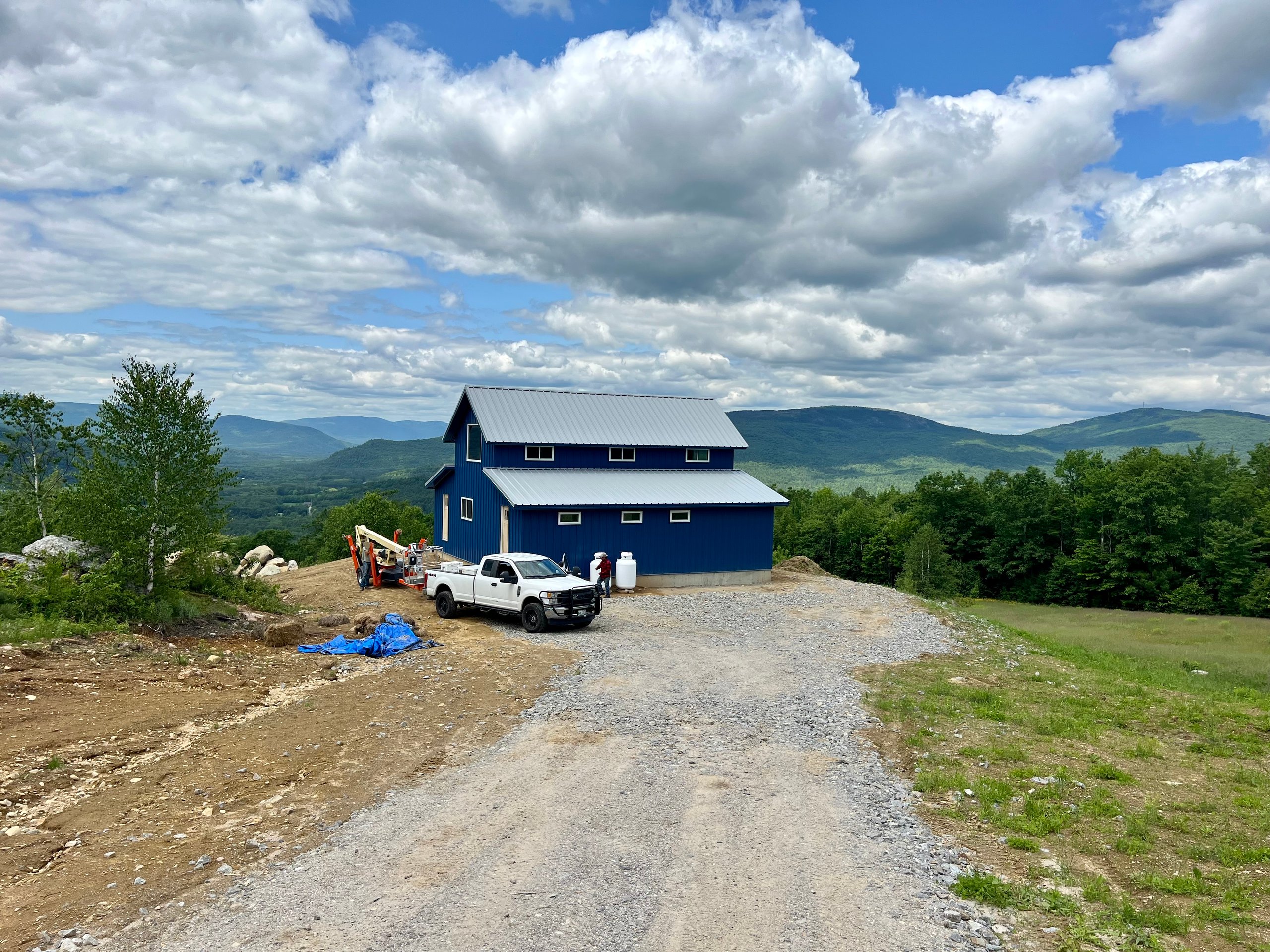
Steel Building Snow Loads in Maine: What to Know

Why Snow Load Matters in Maine
Maine winters put steady weight on a roof. Snow piles up, melts, refreezes, and piles up again. A building that is not engineered for that load is at real risk. Snow load is the amount of weight per square foot a roof must carry, and across much of Maine that number runs high.
This is the single most important factor in a steel building that will stand here for decades. Get it right at the design stage, and winter becomes a non-issue.
How Snow Loads Are Calculated
Engineers start with the ground snow load for your location, then adjust it for the roof. Several things factor in.
- Roof slope, since steeper roofs shed snow more easily.
- Roof shape, because valleys and lower sections collect drift.
- Exposure to wind, which can pile snow in one area.
- Whether the building is heated, which affects melting and refreeze.
The result is a rating the structure must meet. A proper steel building is engineered to that number from the first drawing, not adjusted later.
Ground Snow Loads Across Maine
Snow loads are not the same statewide. Southern and coastal areas near Portland often sit lower, while inland and northern towns carry much heavier requirements. Mountain and far northern regions can be higher still. Figures commonly range from roughly 50 pounds per square foot in milder areas to 90 or 100 and above inland. These are general ranges, so always confirm the exact load with your local code office, since that figure drives the engineering and your building permit.
Roof Design That Sheds Snow
The roof does most of the work. A metal roof with the right slope sheds snow more evenly and reduces the buildup that leads to ice dams. Smooth panels and a consistent surface help snow slide rather than pack. Wider clear spans inside still hold up because the frame is sized for the load, which is one reason steel suits Maine so well. Pairing the right roof with good insulation and energy-efficient design keeps the building comfortable through winter too.
Why Engineering Comes First
A cheap building rated for a warmer state is a problem waiting to happen here. When snow load is engineered into the frame, the purlins, and the connections, the whole structure carries the weight as designed. Skipping that step to save money up front can lead to sagging, damage, or worse during a hard winter. This is why a properly engineered steel building kit is worth more than a bargain package.
Common Questions
What is the snow load requirement in Maine?
It varies by town. Many areas fall between 50 and 100 pounds per square foot, with higher numbers inland and in the north. Your local code office sets the figure for your site.
Can a steel building handle Maine snow?
Yes, when it is engineered for the local load. Steel frames are sized for the weight, and metal roofs shed snow well, which makes them a strong fit for the climate.
Does roof pitch affect snow load?
It does. Steeper roofs shed snow more easily and can carry a lower design load, while low-slope roofs hold more and need stronger framing.
What happens if a building is under-rated for snow?
The roof can sag, panels can fail, and in severe cases the structure can collapse. Matching the rating to your town is not optional in Maine.
Build for Maine Winters
Snow is the part of a build you cannot afford to guess on. NS Building Solutions designs steel buildings for the snow and wind loads across Newport, Bangor, Waterville, Augusta, Belfast, Camden, and surrounding towns. Design your building or contact our team, and we will engineer a structure rated to stand through every winter.
Design Your Building
Whether you have a specific design in mind or need a quote, our online building designer helps you get started quickly.
Customer testimonials
Ready to build?
Get a quote or speak with our team about your project today