Metal Buildings vs. Traditional Construction: Which Is the Better Investment?
The Great Building Debate in Maine
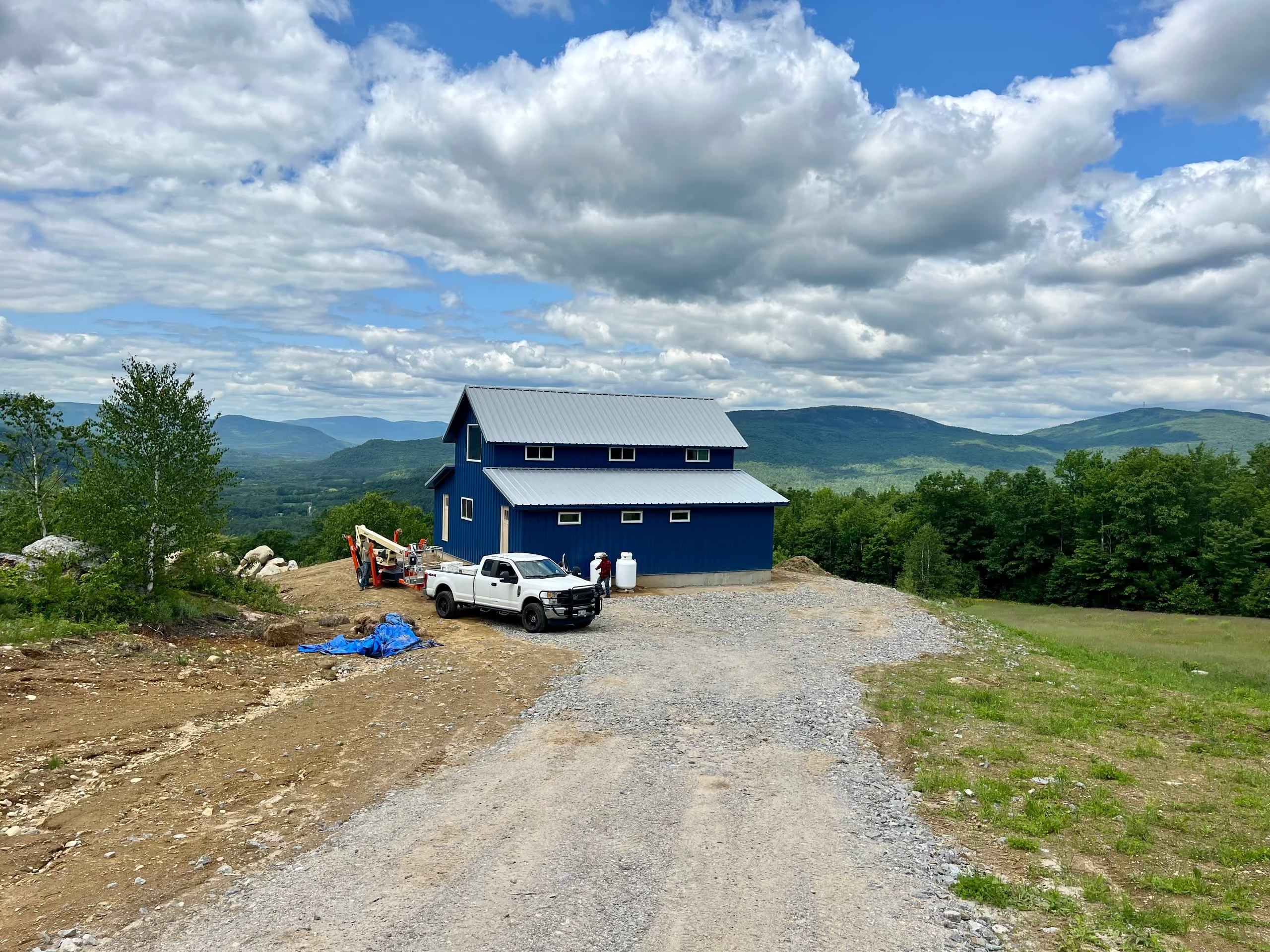
Drive through central Maine and you'll see it everywhere. A mix of older wood-framed buildings, newer steel structures, and everything in between. If you're planning a build, the question has to be asked. Do you go with a traditional build, or choose a metal building system? There is no one-size answer. But in Maine, the climate and the way people use their land tend to push that decision in a clear direction. It's becoming harder to justify wood as time marches on.
Two Very Different Ways to Build
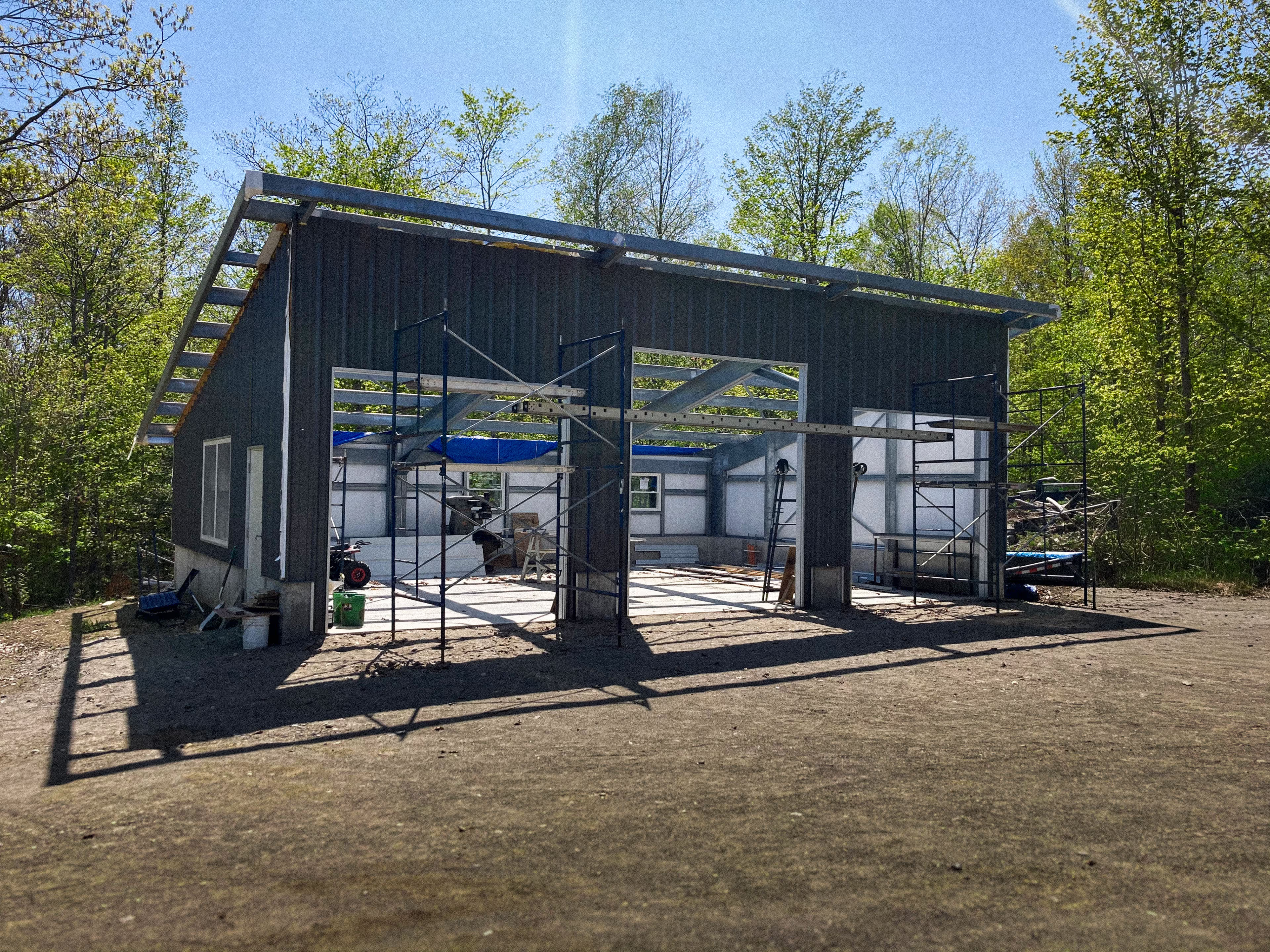
Traditional construction relies primarily on wood framing, masonry, or concrete. It's familiar. It's been used across towns like Belfast, Camden, and Mount Desert Island for generations. Metal buildings take a different approach. They use engineered steel frames, built off-site and assembled quickly once delivered. Both can last for decades. Both can look good. The difference shows up in how they perform over time.
Cost Starts the Conversation
For most property owners in the Newport and Bangor area, budget is the first filter. Metal buildings usually come in lower. In many cases, you're looking at 10 to 15 percent less upfront compared to a similar traditional build. That gap comes from efficiency. Steel systems are pre-engineered. Less guesswork. Less labor. Fewer delays. Traditional builds require more time on site, more trades, and more coordination. Financing can still lean toward traditional construction in some residential cases. Lenders are familiar with it. But that gap is closing, especially for commercial projects across Waterville, Augusta, and beyond.
Time Matters More Than You Think
A metal building can go up in weeks. A traditional build can stretch into months, sometimes longer if winter hits mid-project. In Maine, that timing matters.
- A business waiting to open
- A contractor working against snow season
- A farm needing storage before harvest
Speed is not just convenience. It affects revenue, scheduling, and stress.
Built for Maine Weather
Maine doesn't go easy on buildings. Heavy snow. Ice buildup. Freeze and thaw cycles, all need to be considered in conjunction with coastal moisture in places like Rockland and Mount Desert Island. Metal buildings handle these conditions with more predictability.
- Snow loads are engineered, not guessed
- Roofs shed snow more easily
- Steel doesn't rot or absorb moisture
Wood-framed buildings can perform well, but they require attention. Paint, sealing, repairs. Over time, those needs add up. For rural properties in areas like Skowhegan or Pittsfield, lower maintenance is often a deciding factor.
What About Looks?
This is where hesitation comes in. Many people still picture metal buildings as plain or industrial. That's outdated.
Today's systems allow for:
- Clean rooflines
- Multiple color options
- Finished interiors with drywall and insulation
- Windows, doors, and layout flexibility
Still, traditional construction has an edge in certain settings. A historic-style home in Camden or a coastal property in Belfast may call for that classic New England look. Your decision comes down to the purpose of the building.
Durability Over Time
A well-built metal structure can last 50 years or more with limited upkeep. Traditional buildings can last just as long, but they come with ongoing maintenance. When you look at the full picture over 20 to 30 years, the difference becomes clearer.
- Metal buildings tend to cost less to maintain
- Fewer repairs
- Less time spent managing the structure
For business owners, that often translates into better long-term value. The decision becomes a no-brainer.
Flexibility for the Future
Your needs change. A workshop becomes a business. A storage building needs expansion. A layout needs to open up. Steel buildings make those changes easier. Wide open spans and modular design allow for adjustments without major structural work. That flexibility is one reason more commercial projects in the Bangor and Augusta areas are moving toward metal.
So, Which One Makes Sense?
It depends on how you plan to use the building. Metal buildings tend to fit best when:
- You need speed and cost control
- You want low maintenance
- The building is commercial, agricultural, or utility-focused
Traditional construction makes more sense when:
- Architecture is a priority
- The setting calls for a classic design
Building Smarter in Central Maine
Across Newport and the surrounding towns, more property owners are taking a practical approach. They want something that holds up to the weather, stays within budget, and does the job without constant upkeep. That's where engineered metal buildings stand out. NS Building Solutions works with clients across Bangor, Waterville, Augusta, Belfast, and the surrounding region to design buildings that fit how people actually live and work in Maine. If you're planning a project, it's worth looking at both options. But it's just as important to choose a system built for this environment.
Design Your Building
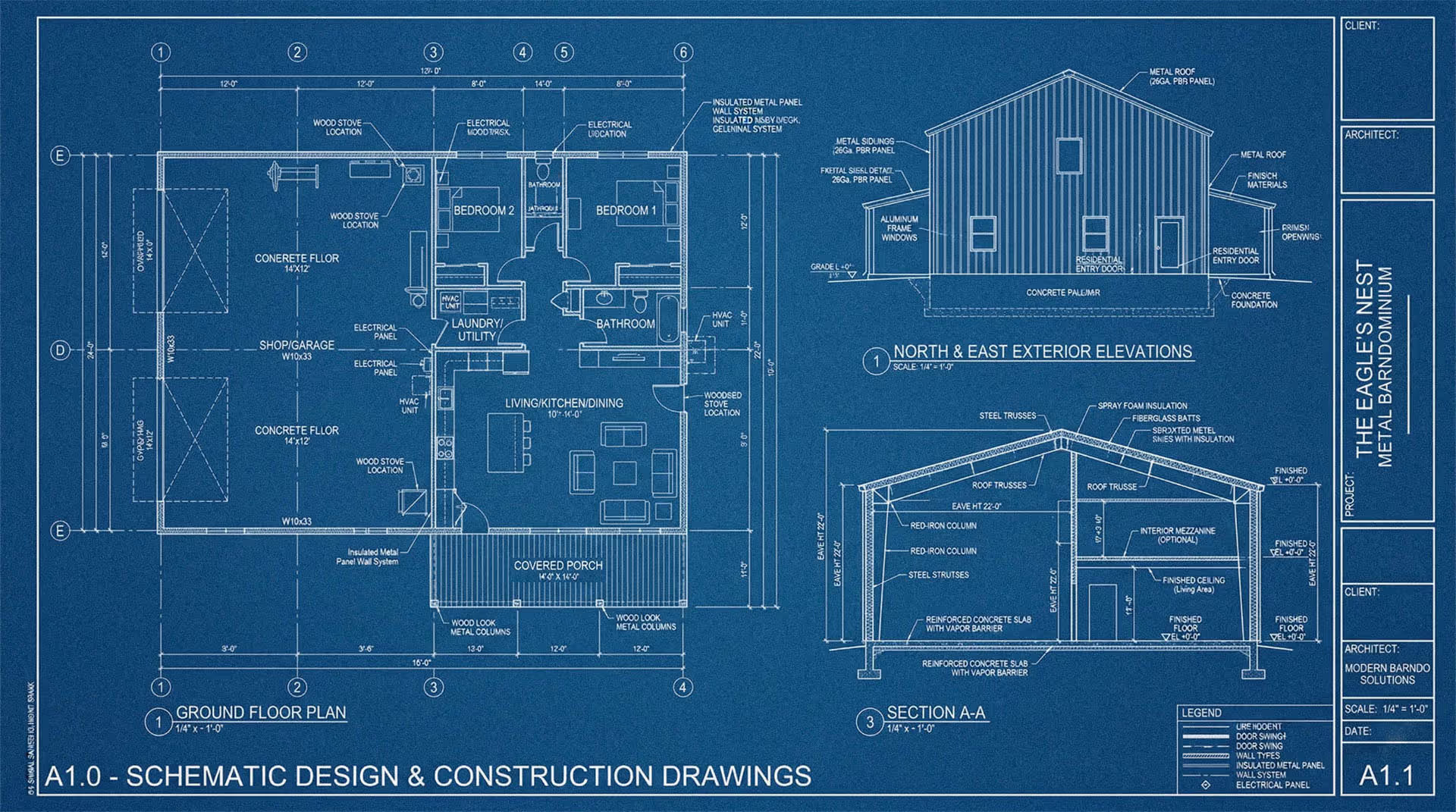
Whether you have a specific design in mind or need a quote, our online building designer helps you get started quickly.
Customer testimonials
Ready to build?
Get a quote or speak with our team about your project today